

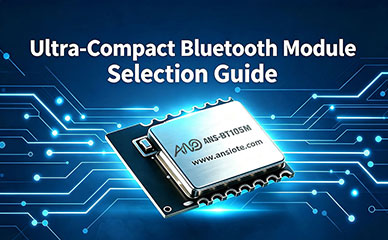
IoT 디바이스의 보급이 증가함에 따라, 초소형 블루투스 모듈 스마트 기기를 연결하는 핵심 부품으로 자리 잡았습니다.. 스마트 웨어러블 및 의료 모니터링부터 산업 상호 연결까지, 점점 더 많은 제품이 크기에 대해 엄격한 요구 사항을 적용하고 있습니다., 전력 소비, 모듈의 성능. 하지만, 시장에 나와 있는 눈부신 저전력 Bluetooth 모듈 배열에 직면했습니다., 귀하의 제품에 가장 적합한 것을 어떻게 선택합니까??
이 기사에서는 5가지 핵심 차원을 기반으로 실용적인 Bluetooth 모듈 선택 가이드를 제공합니다.: 크기, 전력 소비, 연결성, 프로토콜 호환성, 그리고 개발의 용이성, Ansiot 기술의 실제 사례 연구와 결합 초소형 블루투스 5.2 기준 치수.
선택 개요: The core formula for selecting ultra-small Bluetooth modules = Small size + Low power consumption + Multiple connections + Newest protocol + Fast development. The following sections break down the judgment criteria and practical suggestions for each dimension.
나. Ultra-small Bluetooth Module Size Standards: Millimeters Determine Product Form Factor
Ultra-small Bluetooth modules typically refer to micro-modules with dimensions of 16×10mm or less, with some top-tier products even reaching the 6×6mm level. 하지만, when selecting a module, one shouldn’t blindly pursue the “smallest” size—smaller module sizes often mean fewer GPIO pins, higher integration, and more limited peripheral expansion capabilities.
Selection Recommendations
Space-constrained scenarios (smart rings, invisible hearing aids, 등.): Prioritize ultra-small modules ≤10×15mm.
Generally compact scenarios (스마트 팔찌, portable medical devices): ≤17×13mm is acceptable.
Space-rich scenarios (industrial gateways, smart home hosts): Size restrictions can be relaxed appropriately; prioritize pin count and expansion capabilities.
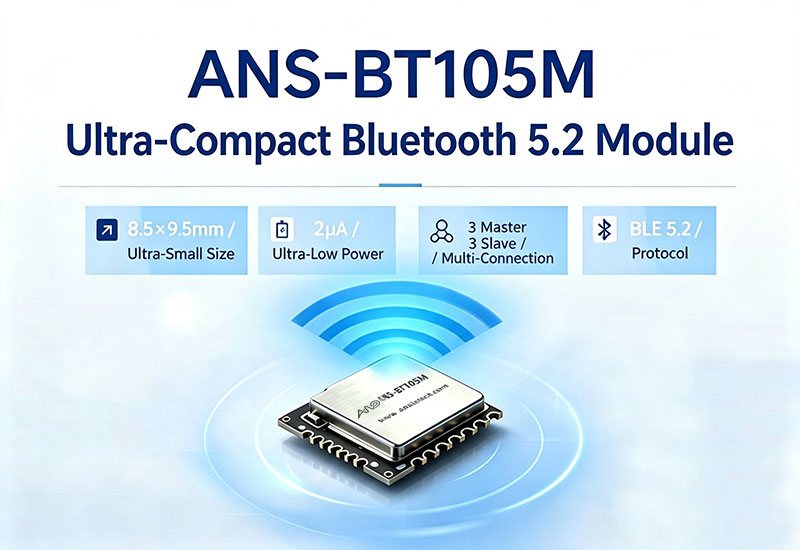
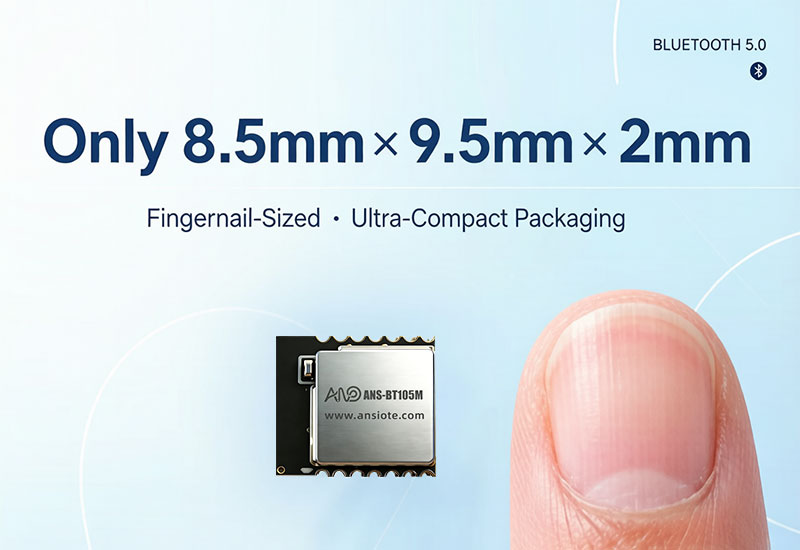
For products with extremely limited space, such as smart wearables and portable medical devices, module size is often the first hurdle. Ansiot Technology’s Bluetooth is an excellent choice—its dimensions are only 8.5mm × 9.5mm × 2mm, roughly the size of a fingernail. This ultra-miniaturized package frees up more PCB space, allowing R&D personnel greater flexibility in compact hardware designs.
II. 저전력 블루투스 모듈 전력 소비 비교: 마이크로암페어 수준의 차이로 인해 배터리 수명이 크게 달라집니다.
배터리로 구동되는 휴대용 장치의 경우, 전력 소비 블루투스 모듈 사용자 경험과 시장 경쟁력을 직접적으로 결정합니다.. 의 핵심 장점 중 하나 저전력 블루투스 모듈 대기 전류는, 마이크로암페어만큼 낮을 수 있음.
최대 절전 모드에서 2μA만 소비하며 직렬 포트 데이터 입력을 통해 몇 초 만에 시스템을 깨울 수 있습니다.. 이는 이 모듈을 사용하는 배터리 구동 장치가 매우 낮은 대기 전력 소비로 긴 배터리 수명을 달성할 수 있음을 의미합니다., 다음 시나리오에 특히 적합합니다.:
긴 대기 시간과 간헐적인 작동이 필요한 스마트 뷰티 디바이스
휴대용 스캐닝 장치 - 자주 깨우고 신속한 응답이 필요함
소형 의료 전자 장치 – 긴 배터리 수명과 안정성 모두 요구
전력 소비 선택에는 대기 이상의 것이 포함됩니다.
모듈을 선택할 때, 대기전력 소모를 고려한 것 외에, 다음 세 가지 지표를 종합적으로 평가해야 합니다.:
전송 전류 - 활성 전송 중 전력 소비에 영향을 미침
전류 수신 – 지속적인 모니터링 중 전력 소비에 영향
슬립/웨이크업 메커니즘 - 다중 웨이크업 방법을 지원하는 모듈은 제품 설계에 더 큰 유연성을 제공합니다.
III. 블루투스 모듈 연결: 마스터-슬레이브 모드 및 다중 연결 아키텍처
다양한 애플리케이션 시나리오에는 연결 기능에 대한 요구 사항이 크게 다릅니다. Bluetooth 패스스루 모듈. 간단한 지점 간 전송에는 단일 마스터-슬레이브 모듈만 필요, 복잡한 IoT 시나리오에는 하나의 마스터와 여러 슬레이브 또는 여러 마스터와 여러 슬레이브로 구성된 네트워크 아키텍처가 필요할 수 있습니다..
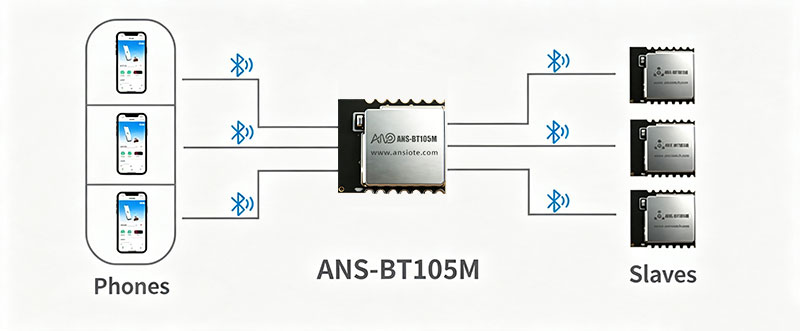
ANS-BT105M 다중 연결 실제로
마스터-슬레이브 통합 다중 연결 아키텍처를 완벽하게 구현하여 이 분야에서 인상적인 기능을 보여줍니다., 최대 지원 3 석사와 3 노예, 안정적인 연결을 의미합니다. 6 장치를 동시에. 이는 소규모 센서 네트워크를 구축하든, 다중 장치 협업 제어를 구현하든 관계없이, 이 손톱 크기의 모듈은 작업을 쉽게 처리할 수 있습니다..
Selection Recommendations
개발자는 제품의 네트워킹 요구 사항에 따라 필요한 마스터-슬레이브 모드와 최대 연결 수를 결정해야 합니다.:
지점 간 전송 (블루투스 데이터 패스스루, 장치 페어링): 마스터-슬레이브 통합이면 충분합니다.
마스터 1명, 여러 노예 (여러 센서에서 데이터를 수집하는 게이트웨이): 적어도 1 마스터와 3 노예가 필요하다.
다중 마스터, 여러 노예 (복잡한 메시 네트워크, 다중 장치 협업): 지원하는 모듈을 선택하세요. 3 석사와 3 노예 이상.
향후 여러 장치를 포함하도록 제품을 확장해야 할 것으로 예상되는 경우, 강력한 다중 연결 기능을 갖춘 ANS-BT105M과 같은 모듈을 선택하면 의심할 여지 없이 제품 업그레이드를 위한 충분한 공간이 제공됩니다..
IV. BLE 5.2 프로토콜 및 호환성: 버전 번호 뒤에 숨은 실제 기능
끊임없이 변화하는 Bluetooth 프로토콜로 인해 전송 속도가 지속적으로 향상되었습니다., 전송 거리, 및 간섭 저항. 현재 주류 선택은 BLE에서 발전했습니다. 4.2 블루투스로 5.0 이상. 블루투스를 지원하는 모듈 5.0 이상은 일반적으로 더 긴 전송 거리와 더 높은 데이터 속도를 달성합니다..
ANS-BT105M 프로토콜 기능
BLE를 사용합니다. 5.2 규약, GATT와 같은 여러 표준 프로토콜과 완벽하게 호환됩니다., HID, 그리고 ATT, 전체 AT 명령 세트로 유연한 구성을 지원합니다.. 더 중요한 것은, OTA(Over-The-Air)도 지원합니다. (오타) 업데이트, 이후의 제품 유지 관리 및 기능 반복 요구 사항을 완전히 충족합니다..
Selection Recommendations
개발자는 프로토콜 버전 번호만 보면 안 됩니다., 다음과 같은 실용적인 역량에도 중점을 둡니다.:
프로토콜 스택 완전성 – GATT와 같은 표준 프로토콜을 지원합니까?, HID, 그리고 ATT?
구성 파일 지원 – 대상 응용 프로그램에 필요한 프로필을 포함합니까??
개발 도구 가용성 – AT 명령 디버깅 및 직렬 포트 구성을 지원합니까??
OTA 업그레이드 기능 – 무선 펌웨어 업그레이드를 지원합니까?, 차후 유지관리 비용 절감?
다섯. 개발 용이성 및 사용자 정의: 선택부터 양산까지 액셀러레이터
최고의 하드웨어라도 개발 임계값이 너무 높으면 제품 출시 속도가 느려집니다.. 통과의 가장 큰 가치 블루투스 모듈 ~에 있다 “Bluetooth 프로토콜 스택을 이해할 필요 없이 AT 명령을 통해 빠르게 구성할 수 있습니다.” 뿐만 아니라, 모듈의 직렬 포트 적응 기능과 기본 사용자 정의 서비스는 R에 직접적인 영향을 미칩니다.&D 효율성과 제품 차별화.
ANS-BT105M 개발 지원
매우 넓은 직렬 포트 전송 속도 범위를 지원합니다. 600 에게 921600, 사용자가 직렬 포트 패리티 및 정지 비트를 자유롭게 구성할 수 있습니다., 다양한 구형 또는 특수 마스터 제어 시스템과 완벽하게 역호환 가능. 또한 다음과 같은 심층적인 하위 수준 사용자 정의 서비스를 제공합니다.:
통과 기능 명령을 통한 원클릭 연결 해제 - 연결 상태를 유연하게 제어
실행 상태의 정확한 인쇄 – 디버깅 및 문제 해결 촉진
직렬 포트 데이터 비트의 개인화된 사용자 정의 – 비표준 마스터 제어 시스템에 적응
Selection Recommendations
다음과 같은 지원을 제공하는 공급업체를 우선적으로 선택하는 것이 좋습니다.:
포괄적인 기술 문서 및 샘플 코드
매우 넓은 직렬 포트 전송 속도 범위 (다양한 마스터 제어 시스템과 호환 가능)
심층적인 하위 수준 맞춤화 서비스 (프로토콜 및 기능 계층 모두에서 사용자 정의 가능)
신속하게 대응하는 기술 지원 팀
이는 개발 주기를 단축할 뿐만 아니라 제품 차별화를 위한 기술적 강점을 제공합니다..
비교표 초소형 블루투스 모듈 선택 매개변수:
쉽고 빠른 비교를 위해, 위에서 언급한 5가지 차원에 대한 선택 포인트를 다음과 같이 정리했습니다.:
| 치수 | 선택 기준 | 매개변수 |
|---|---|---|
| 크기 | 16×10mm 이하의 초소형 | 8.5×9.5×2mm |
| 전력 소비 | 대기 ≤5μA는 낮은 전력 소비로 간주됩니다. | 깊은 수면 2μA |
| 연결성 | 적어도 1 마스터와 3 노예 | 3 석사와 3 노예 (6 장치) |
| 규약 | BLE 5.0+ | BLE 5.2 |
| 개발 | AT 명령 지원 | 1200bps ~ 921.6Kbps의 전송 속도; 오타; AT 명령 |
FAQ: 초소형 Bluetooth 모듈에 대한 일반적인 질문
1분기: 초소형 블루투스 모듈의 크기 기준은 어떻게 되나요??
소형 블루투스 모듈 typically refer to micro-modules with dimensions of 16×10mm or less, 일부 최고급 제품은 6×6mm 수준에 도달. 선택 시, 공간이 제한된 시나리오에서는 10×15mm 이하의 모듈을 우선적으로 사용하는 것이 좋습니다., 일반 시나리오의 경우 17×13mm 이하. ANS-BT105M, 크기가 8.5×9.5mm에 불과한, 초소형 모듈 상위권에 속함.
2분기: 저전력 블루투스 모듈의 대기전력 소모량은 어떻게 되나요??
배터리 구동 장치가 우선시되어야 합니다 저전력 블루투스 모듈 대기 전력 소비가 2μA 이하인 경우. 을 예로 들면, 깊은 절전 모드에서의 전력 소비는 2μA만큼 낮습니다., 직렬 포트 데이터를 통해 몇 초 만에 깨어날 수 있습니다., 스마트 미용기기, 휴대용 의료기기 등 배터리 수명이 긴 시나리오에 적합합니다..
3분기: Bluetooth 모듈은 동시에 몇 개의 장치를 연결할 수 있습니까??
블루투스 모듈마다 연결 기능이 다릅니다.. 마스터-슬레이브 통합 다중 연결 아키텍처를 지원합니다., 최대 지원 3 석사와 3 노예, 안정적인 연결을 의미합니다. 6 장치를 동시에, 소규모 센서 네트워크 구축 또는 다중 장치 협업 제어 시나리오에 적합. 일반 투명 전송 모듈은 일반적으로 다음을 지원합니다. 1 마스터와 1 노예 또는 1 마스터와 여러 슬레이브.
4분기: 블루투스의 장점은 무엇인가요? 5.2 블루투스와 모듈 비교 5.0?
블루투스 5.2 지속적인 개선을 제공합니다. 5.0 전송 속도에서, 전송 거리, 및 간섭 방지 기능. BLE를 사용합니다. 5.2 규약, GATT와 호환됩니다, HID, 에게, 및 기타 표준 프로토콜, AT 명령 구성 및 OTA 무선 업그레이드를 지원합니다..
Q5: What parameters should be considered when selecting an ultra-compact Bluetooth module?
Selecting an ultra-compact Bluetooth module requires attention to five core dimensions: module size (affecting product form factor), standby power consumption (affecting battery life), 연결성 (master/slave mode and maximum number of connections), protocol version and compatibility (BLE version, protocol stack support), 그리고 개발의 용이성 (AT command support, serial port baud rate range, customization services).
요약
Choosing an ultra-compact Bluetooth module is never a single-dimensional decision. From size to power consumption, from connectivity to protocols, from ease of development to customization services, each dimension can be a key variable in the success or failure of a product.
Ansiot Technology’s ANS-BT105M, with its ultra-small 8.5×9.5mm size, ultra-low power consumption of 2μA, 강력한 3-마스터 3-슬레이브 연결, 그리고 풀 BLE 5.2 프로토콜 지원, 고성능을 제공합니다, 공간이 제한된 스마트 단말기를 위한 매우 유연한 무선 상호 연결 솔루션.
귀하의 제품이 다음과 같은 세 가지 과제에 직면해 있는 경우 “작은 크기, 낮은 전력 소비, 그리고 여러 연결,” ANS-BT105M을 자세히 살펴보고 싶을 수도 있습니다. 작은 블루투스 모듈, about the size of a fingernail, 당신이 찾던 답이 될 수도 있어요.