

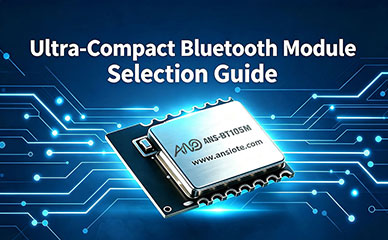
مع تزايد انتشار أجهزة إنترنت الأشياء, وحدات بلوتوث صغيرة جدًا أصبحت مكونًا أساسيًا لتوصيل الأجهزة الذكية. من الأجهزة الذكية القابلة للارتداء والمراقبة الطبية إلى الربط الصناعي, المزيد والمزيد من المنتجات تضع متطلبات صارمة على الحجم, استهلاك الطاقة, وأداء الوحدات. لكن, تواجه مجموعة مبهرة من وحدات البلوتوث منخفضة الطاقة في السوق, كيف تختار الأنسب لمنتجك؟?
ستوفر هذه المقالة دليلاً عمليًا لاختيار وحدة Bluetooth استنادًا إلى خمسة أبعاد أساسية: مقاس, استهلاك الطاقة, الاتصال, توافق البروتوكول, وسهولة التطوير, جنبًا إلى جنب مع دراسة حالة واقعية لتقنية Ansiot بلوتوث صغير جدًا 5.2 وحدة.
نظرة عامة على الاختيار: الصيغة الأساسية لاختيار وحدات Bluetooth الصغيرة جدًا = حجم صغير + انخفاض استهلاك الطاقة + اتصالات متعددة + أحدث بروتوكول + تطور سريع. تشرح الأقسام التالية معايير الحكم والاقتراحات العملية لكل بعد.
أنا. معايير حجم وحدة البلوتوث الصغيرة جدًا: المليمترات تحدد عامل شكل المنتج
وحدات بلوتوث صغيرة جدًا تشير عادةً إلى الوحدات الصغيرة ذات أبعاد 16 × 10 مم أو أقل, مع وصول بعض المنتجات عالية المستوى إلى مستوى 6 × 6 مم. لكن, عند اختيار الوحدة النمطية, لا ينبغي للمرء أن يتابع بشكل أعمى “الأصغر” الحجم - غالبًا ما تعني أحجام الوحدة الأصغر عددًا أقل من دبابيس GPIO, تكامل أعلى, وقدرات توسعة محيطية أكثر محدودية.
توصيات الاختيار
سيناريوهات محدودة المساحة (حلقات ذكية, المعينات السمعية غير المرئية, إلخ.): إعطاء الأولوية للوحدات الصغيرة جدًا 10 × 15 مم.
السيناريوهات المدمجة بشكل عام (الأساور الذكية, الأجهزة الطبية المحمولة): ≥17 × 13 مم مقبول.
سيناريوهات غنية بالفضاء (البوابات الصناعية, مضيفي المنزل الذكي): يمكن تخفيف قيود الحجم بشكل مناسب; إعطاء الأولوية لعدد الدبوس وقدرات التوسع.
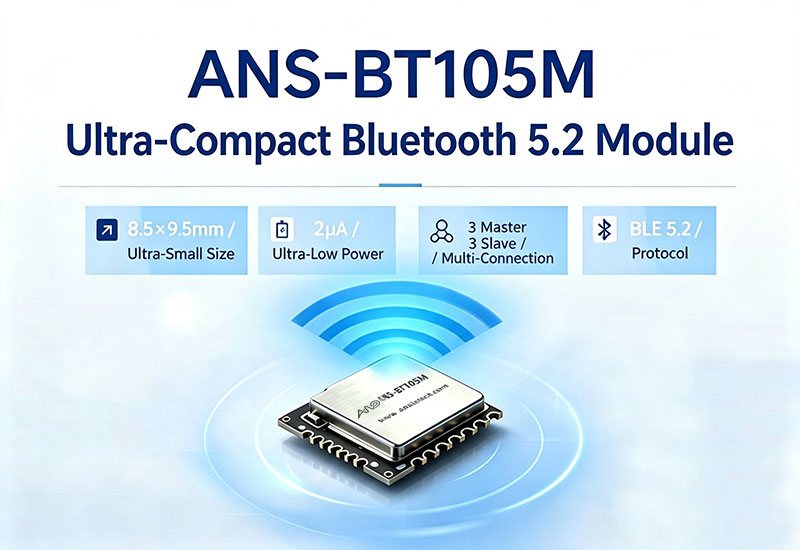
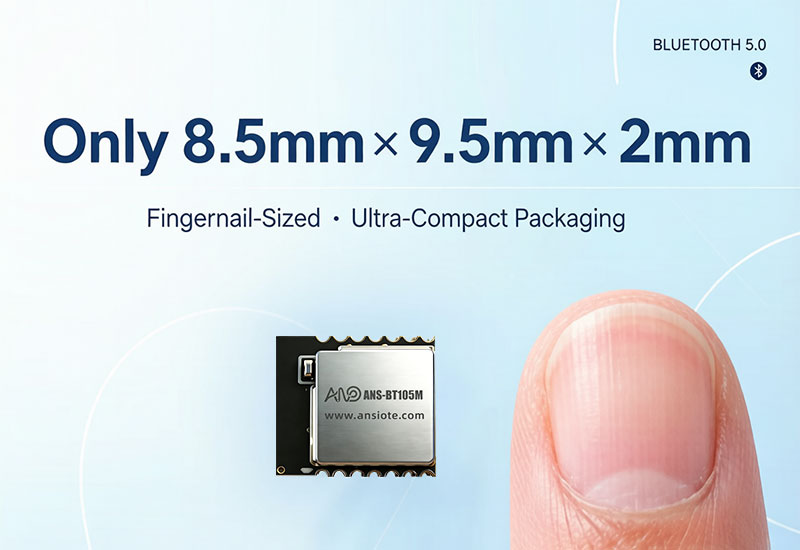
للمنتجات ذات المساحة المحدودة للغاية, مثل الأجهزة الذكية القابلة للارتداء والأجهزة الطبية المحمولة, غالبًا ما يكون حجم الوحدة هو العقبة الأولى. تعد تقنية Bluetooth من Ansiot Technology خيارًا ممتازًا - حيث تبلغ أبعادها 8.5 مم × 9.5 مم × 2 مم فقط, بحجم ظفر الإصبع تقريبًا. توفر هذه الحزمة المصغرة للغاية مساحة أكبر لثنائي الفينيل متعدد الكلور, السماح ر&يتمتع الأفراد D بمرونة أكبر في تصميمات الأجهزة المدمجة.
ثانيا. مقارنة استهلاك الطاقة لوحدة البلوتوث منخفضة الطاقة: تؤدي الاختلافات في مستوى الميكرو أمبير إلى اختلافات كبيرة في عمر البطارية
للأجهزة المحمولة التي تعمل بالبطارية, استهلاك الطاقة من وحدة بلوتوث يحدد بشكل مباشر تجربة المستخدم والقدرة التنافسية في السوق. واحدة من المزايا الأساسية ل وحدات بلوتوث منخفضة الطاقة هو تيار الاستعداد الخاص بهم, والتي يمكن أن تكون منخفضة مثل ميكروأمبير.
يستهلك ما يصل إلى 2μA في وضع السكون العميق ويمكنه تنشيط النظام في ثوانٍ عبر إدخال بيانات المنفذ التسلسلي. وهذا يعني أن الأجهزة التي تعمل بالبطارية والتي تستخدم هذه الوحدة يمكنها تحقيق عمر بطارية طويل مع استهلاك منخفض للغاية للطاقة الاحتياطية, مما يجعلها مناسبة بشكل خاص للسيناريوهات التالية:
أجهزة التجميل الذكية – تتطلب أوقات استعداد طويلة وتشغيل متقطع
أجهزة المسح المحمولة – تتطلب تنبيهات متكررة واستجابة سريعة
إلكترونيات طبية مصغرة - تتطلب عمرًا طويلًا للبطارية واستقرارًا
يتضمن اختيار استهلاك الطاقة أكثر من مجرد وضع الاستعداد
عند اختيار الوحدة النمطية, بالإضافة إلى النظر في استهلاك الطاقة الاحتياطية, ينبغي تقييم المؤشرات الثلاثة التالية بشكل شامل:
تيار الإرسال – يؤثر على استهلاك الطاقة أثناء النقل النشط
تلقي التيار – يؤثر على استهلاك الطاقة أثناء المراقبة المستمرة
آلية النوم/الاستيقاظ - توفر الوحدات التي تدعم طرق التنبيه المتعددة مرونة أكبر في تصميم المنتج
ثالثا. اتصال وحدة البلوتوث: وضع السيد والعبد والهندسة المعمارية متعددة الاتصالات
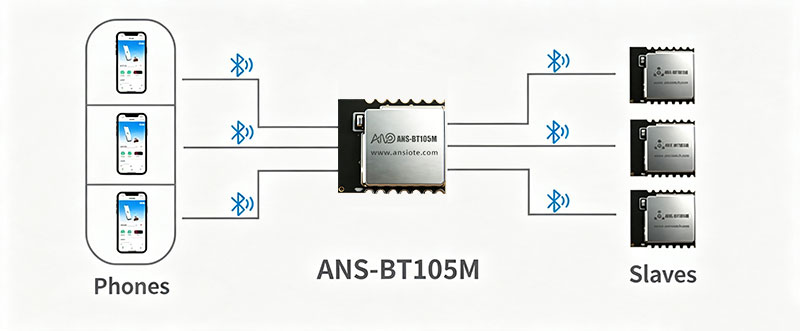
تحتوي سيناريوهات التطبيق المختلفة على متطلبات مختلفة إلى حد كبير فيما يتعلق بقدرات الاتصال وحدات تمرير البلوتوث. يتطلب النقل البسيط من نقطة إلى نقطة وحدة رئيسية واحدة فقط, في حين أن سيناريوهات إنترنت الأشياء المعقدة قد تتطلب بنية شبكة ذات رئيسية واحدة وعبيد متعددين أو حتى رئيسيين متعددين وعبيد متعددين.
ANS-BT105M متعدد التوصيلات في الممارسة العملية
يُظهر هذا قدرات مذهلة في هذا المجال، حيث ينفذ بشكل مثالي بنية اتصال متعددة متكاملة ومتكاملة, دعم ما يصل إلى 3 الماجستير و 3 العبيد, وهذا يعني اتصال مستقر ل 6 الأجهزة في وقت واحد. وهذا يعني أنه سواء كان بناء شبكة استشعار صغيرة أو تنفيذ تحكم تعاوني متعدد الأجهزة, يمكن لهذه الوحدة بحجم ظفر الإصبع التعامل مع المهمة بسهولة.
توصيات الاختيار
يحتاج المطورون إلى تحديد الأوضاع الرئيسية والتابعة المطلوبة والحد الأقصى لعدد الاتصالات بناءً على متطلبات شبكة المنتج:
انتقال من نقطة إلى نقطة (تمرير البيانات عبر البلوتوث, إقران الجهاز): التكامل بين السيد والعبد كافٍ.
سيد واحد, العديد من العبيد (بوابة جمع البيانات من أجهزة استشعار متعددة): على الأقل 1 سيد و 3 العبيد مطلوبون.
سادة متعددة, العديد من العبيد (شبكات شبكية معقدة, تعاون متعدد الأجهزة): اختر وحدة داعمة 3 الماجستير و 3 العبيد أو أكثر.
إذا كنت تتوقع أن منتجك قد يحتاج إلى التوسع ليشمل أجهزة متعددة في المستقبل, إن اختيار وحدة مثل ANS-BT105M مع إمكانات الاتصال المتعددة القوية يوفر بلا شك مساحة واسعة لترقية المنتج.
رابعا. بليه 5.2 البروتوكول والتوافق: القدرات الحقيقية وراء رقم الإصدار
جلبت بروتوكولات البلوتوث المتغيرة باستمرار تحسينات مستمرة في سرعة الإرسال, مسافة الإرسال, ومقاومة التدخل. لقد تطور الاختيار السائد الحالي من BLE 4.2 إلى البلوتوث 5.0 وما فوق. وحدات تدعم البلوتوث 5.0 وما فوق يحقق عادة مسافات نقل أطول ومعدلات بيانات أعلى.
قدرات بروتوكول ANS-BT105M
يستخدم بليه 5.2 بروتوكول, متوافق تمامًا مع البروتوكولات القياسية المتعددة مثل GATT, اختبأ, و ت.ت, ويدعم التكوين المرن مع مجموعة كاملة من أوامر AT. والأهم من ذلك, كما أنه يدعم البث المباشر (عبر الهواء) التحديثات, تلبية احتياجات صيانة المنتج اللاحقة وتكرار الميزات بشكل كامل.
توصيات الاختيار
لا ينبغي للمطورين أن ينظروا فقط إلى رقم إصدار البروتوكول, ولكن ركز أيضًا على القدرات العملية التالية:
اكتمال مكدس البروتوكول - هل يدعم البروتوكولات القياسية مثل GATT, اختبأ, و ت.ت?
دعم ملف التكوين – هل يغطي ملفات التعريف التي يتطلبها التطبيق المستهدف?
توفر أداة التطوير - هل يدعم تصحيح أخطاء أمر AT وتكوين المنفذ التسلسلي?
إمكانية ترقية OTA - هل يدعم ترقيات البرامج الثابتة عبر الهواء, تقليل تكاليف الصيانة اللاحقة?
V. سهولة التطوير والتخصيص: مسرع من الاختيار إلى الإنتاج الضخم
حتى أفضل الأجهزة ستؤدي إلى إبطاء إطلاق المنتج إذا كانت عتبة التطوير مرتفعة جدًا. أعظم قيمة للمرور وحدات بلوتوث يكمن في “تكوين سريع عبر أوامر AT دون الحاجة إلى فهم مجموعة بروتوكولات Bluetooth.” بالإضافة إلى, تؤثر إمكانات تكييف المنفذ التسلسلي للوحدة وخدمات التخصيص الأساسية بشكل مباشر على R&د- الكفاءة وتمايز المنتجات.
دعم تطوير ANS-BT105M
يدعم نطاق معدل الباود للمنفذ التسلسلي الواسع للغاية 600 ل 921600, ويسمح للمستخدمين بتكوين تكافؤ المنفذ التسلسلي وبتات التوقف بحرية, متوافق تمامًا مع الإصدارات السابقة مع العديد من أنظمة التحكم الرئيسية القديمة أو الخاصة. كما يوفر أيضًا خدمات التخصيص العميقة ذات المستوى المنخفض التالية:
قطع الاتصال بنقرة واحدة عبر أوامر وظيفة التمرير - تحكم مرن في حالة الاتصال
طباعة دقيقة لحالة التشغيل – تسهيل تصحيح الأخطاء واستكشاف الأخطاء وإصلاحها
تخصيص شخصي لبتات بيانات المنفذ التسلسلي - التكيف مع أنظمة التحكم الرئيسية غير القياسية
توصيات الاختيار
يوصى بإعطاء الأولوية للموردين الذين يقدمون الدعم التالي:
وثائق فنية شاملة ونموذج التعليمات البرمجية
نطاق معدل الباود للمنفذ التسلسلي واسع للغاية (متوافق مع أنظمة التحكم الرئيسية المختلفة)
خدمات التخصيص العميقة ذات المستوى المنخفض (قابلة للتخصيص في كل من البروتوكول والطبقات الوظيفية)
فريق دعم فني سريع الاستجابة
وهذا لا يؤدي إلى تقصير دورة التطوير فحسب، بل يوفر أيضًا القوة التقنية لتمييز المنتجات.
جدول المقارنة وحدة بلوتوث صغيرة جدًا معلمات الاختيار:
للمقارنة السهلة والسريعة, وقد قمنا بتلخيص نقاط الاختيار للأبعاد الخمسة المذكورة أعلاه على النحو التالي:
| أبعاد | معايير الاختيار | حدود |
|---|---|---|
| مقاس | ≥16×10mm مضغوط للغاية | 8.5× 9.5 × 2 مم |
| استهلاك الطاقة | يعتبر وضع الاستعداد ≥5μA استهلاكًا منخفضًا للطاقة | النوم العميق 2μA |
| الاتصال | على الأقل 1 سيد و 3 العبيد | 3 الماجستير و 3 العبيد (6 الأجهزة) |
| بروتوكول | بليه 5.0+ | بليه 5.2 |
| تطوير | يدعم أوامر AT | معدلات الباود من 1200 بت في الثانية إلى 921.6 كيلوبت في الثانية; عبر الهواء; في الأوامر |
التعليمات: أسئلة شائعة حول وحدات البلوتوث الصغيرة جدًا
س1: ما هي معايير الحجم لوحدات البلوتوث الصغيرة جدًا؟?
وحدات بلوتوث صغيرة الحجم تشير عادةً إلى الوحدات الصغيرة ذات أبعاد 16 × 10 مم أو أقل, مع وصول بعض المنتجات عالية المستوى إلى مستوى 6 × 6 مم. عند الاختيار, يوصى بإعطاء الأولوية للوحدات 10 × 15 مم للسيناريوهات ذات المساحة المحدودة, و 17 × 13 مم للسيناريوهات العامة. ANS-BT105M, بأبعاد 8.5×9.5 ملم فقط, ينتمي إلى الطبقة العليا من الوحدات الصغيرة جدًا.
Q2: ما الذي يجب أن يكون عليه استهلاك الطاقة الاحتياطية لوحدة Bluetooth منخفضة الطاقة؟?
يجب أن تعطي الأولوية للأجهزة التي تعمل بالبطارية وحدات بلوتوث منخفضة الطاقة مع استهلاك الطاقة الاحتياطية ≥2μA. أخذ على سبيل المثال, استهلاك الطاقة في وضع السكون العميق يصل إلى 2μA, ويمكن إيقاظه في ثوانٍ عبر بيانات المنفذ التسلسلي, مما يجعلها مناسبة لسيناريوهات عمر البطارية الطويل مثل أجهزة التجميل الذكية والأجهزة الطبية المحمولة.
س3: كم عدد الأجهزة التي يمكن لوحدة Bluetooth الاتصال بها في وقت واحد?
تتمتع وحدات Bluetooth المختلفة بقدرات اتصال مختلفة. ويدعم بنية متعددة الاتصالات متكاملة السيد والعبد, دعم ما يصل إلى 3 الماجستير و 3 العبيد, وهذا يعني اتصال مستقر ل 6 الأجهزة في وقت واحد, مناسب لبناء شبكات استشعار صغيرة أو سيناريوهات تحكم تعاونية متعددة الأجهزة. عادةً ما تدعم وحدات النقل الشفافة العادية فقط 1 سيد و 1 العبد أو 1 السيد والعبيد المتعددين.
س 4: ما هي مميزات البلوتوث 5.2 وحدات مقارنة بالبلوتوث 5.0?
بلوتوث 5.2 يقدم تحسينات مستمرة على 5.0 في سرعة الإرسال, مسافة الإرسال, وقدرات مكافحة التدخل. يستخدم بليه 5.2 بروتوكول, متوافق مع اتفاقية الجات, اختبأ, ل, والبروتوكولات القياسية الأخرى, ويدعم تكوين أوامر AT وترقيات OTA عبر الهواء.
س5: ما المعلمات التي يجب مراعاتها عند اختيار وحدة Bluetooth فائقة الصغر?
يتطلب اختيار وحدة Bluetooth صغيرة الحجم الانتباه إلى خمسة أبعاد أساسية: حجم الوحدة (التأثير على عامل شكل المنتج), استهلاك الطاقة الاحتياطية (مما يؤثر على عمر البطارية), الاتصال (الوضع الرئيسي/التابع والحد الأقصى لعدد الاتصالات), إصدار البروتوكول والتوافق (نسخة بليه, دعم مكدس البروتوكول), وسهولة التطوير (في دعم القيادة, نطاق معدل الباود للمنفذ التسلسلي, خدمات التخصيص).
ملخص
اختيار وحدة بلوتوث مدمجة للغاية ليس أبدًا قرارًا أحادي البعد. من الحجم إلى استهلاك الطاقة, من الاتصال إلى البروتوكولات, من سهولة التطوير إلى خدمات التخصيص, يمكن أن يكون كل بُعد متغيرًا رئيسيًا في نجاح أو فشل المنتج.
تكنولوجيا الائتمان ANS-BT105M, بحجمه الصغير جدًا 8.5 × 9.5 ملم, استهلاك طاقة منخفض للغاية يبلغ 2μA, اتصال قوي 3-ماستر 3-التابع, وبليه الكامل 5.2 دعم البروتوكول, يوفر أداءً عاليًا, حل ربط بيني لاسلكي مرن للغاية للمحطات الذكية ذات المساحة المحدودة.
إذا كان منتجك يواجه التحديات الثلاثية “حجم صغير, انخفاض استهلاك الطاقة, واتصالات متعددة,” قد ترغب في إلقاء نظرة فاحصة على ANS-BT105M — هذا وحدة بلوتوث صغيرة, حول حجم الظفر, قد يكون الجواب الذي كنت تبحث عنه.